
Langtang Trek
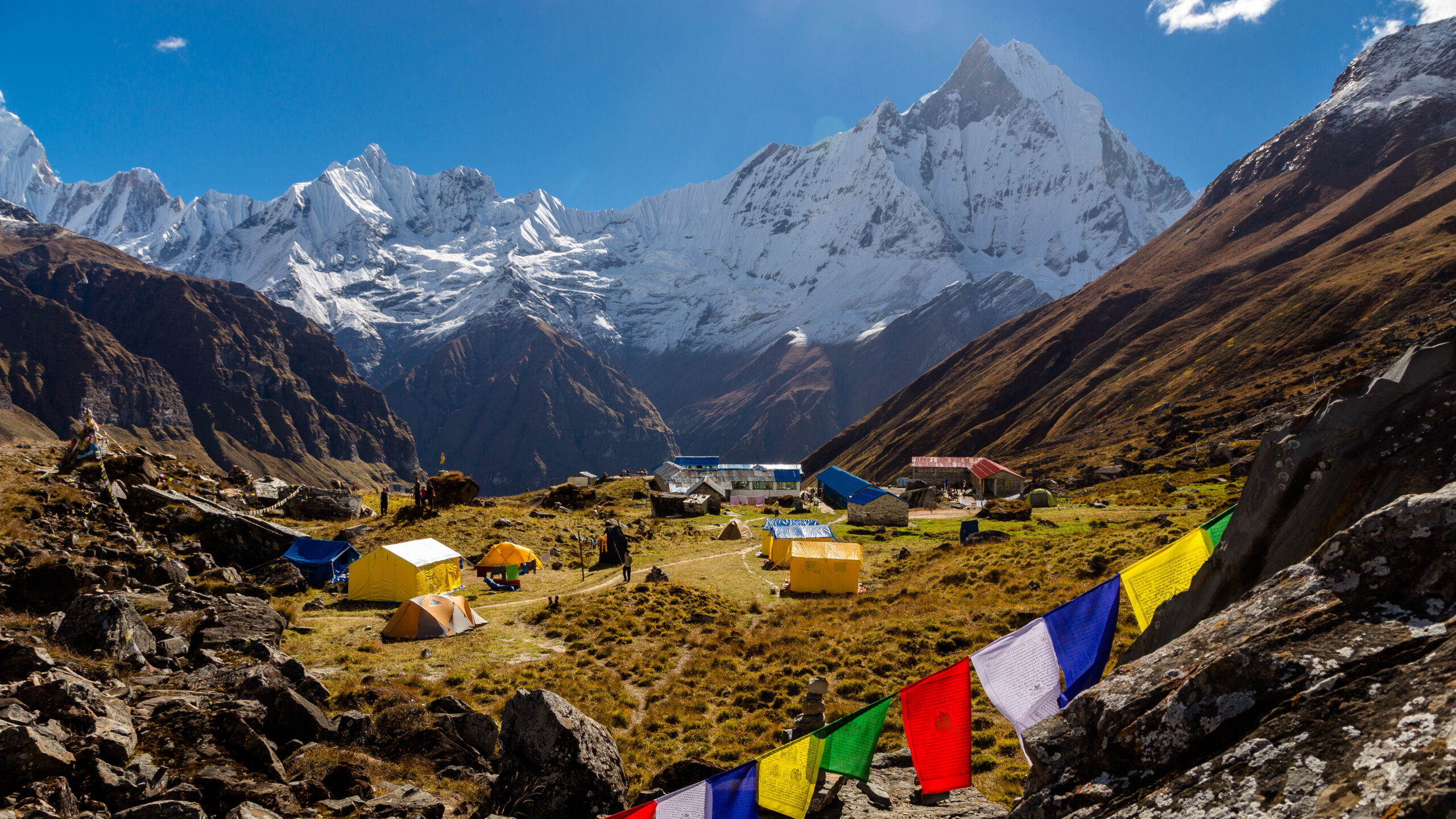
The Langtang Trek is a relatively short Himalayan journey through the Langtang Valley, north of Kathmandu near the Tibetan border. The route combines forest, river valleys, Tamang villages and increasingly dramatic mountain scenery beneath the Langtang Himal.
The trek climbs gradually from Syabru Besi toward Langtang Village and Kyangjin Gompa, with views toward Langtang Lirung, the highest peak in the Langtang Himal at approximately 23,734 ft / 7,234 m.
The Route
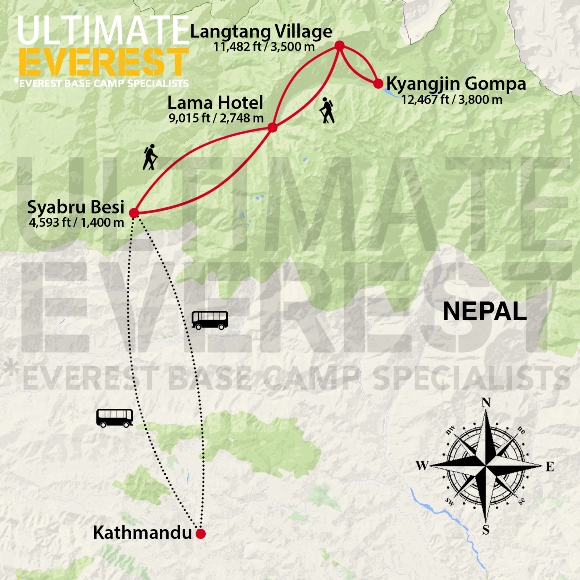
The journey begins with a long drive from Kathmandu to Syabru Besi, the trailhead for the Langtang Valley. From here, the route follows the Langtang Khola through forest and across suspension bridges toward Lama Hotel.
The trail continues steadily higher toward Langtang Village, where the valley opens into yak pasture and broader mountain scenery. From Langtang Village, the route climbs toward Kyangjin Gompa at 12,467 ft / 3,800 m.
An additional day at Kyangjin allows time to explore the surrounding area and, for those who choose, hike toward Kyangjin Ri for higher views across the Langtang Himal. The return journey follows the same valley back toward Syabru Besi.
What Makes This Trek Special
Langtang Valley
The route follows a broad Himalayan valley through forest, river corridors and increasingly open alpine scenery.
Tamang Culture
Villages along the trail reflect the cultural traditions of the Tamang communities of the Langtang region.
Kyangjin Gompa
The high village of Kyangjin Gompa provides a dramatic finish to the ascent and a base for exploring the surrounding mountain landscape.
Day-to-Day Itinerary
Day 1: Arrival in Kathmandu
Arrive in Kathmandu and transfer to your hotel before preparing for the journey north toward the Langtang region.
Day 2: Drive to Syabru Besi — 4,593 ft / 1,400 m
Travel by road from Kathmandu to Syabru Besi, the starting point of the trek. The drive passes through mountain scenery and rural settlements.
Day 3: Trek to Lama Hotel — 9,015 ft / 2,748 m
Follow the Langtang Khola through terraced countryside and dense forest, crossing the river several times by suspension bridge before reaching Lama Hotel.
Day 4: Trek to Langtang Village — 11,482 ft / 3,500 m
Continue steadily higher through forest before the valley opens into yak pasture and scattered Tamang settlements on the approach to Langtang Village.
Day 5: Trek to Kyangjin Gompa — 12,467 ft / 3,800 m
Climb through yak pasture and pass mani walls and small settlements on the way to Kyangjin Gompa, home to a monastery and the traditional cheese factory.
Day 6: Kyangjin Ri (approx. 14,271 ft / 4,350 m) – Return to Kyangjin Gompa (12,467 ft / 3,800 m)
Acclimatization Day
Spend an additional day around Kyangjin Gompa allowing time to adapt to the elevation. Those who wish can hike toward Kyangjin Ri, approximately 14,271 ft / 4,350 m, for wider mountain views.
Day 7: Trek to Lama Hotel — 9,015 ft / 2,748 m
Retrace the route downhill through the valley and forest toward Lama Hotel.
Day 8: Trek to Syabru Besi — 4,593 ft / 1,400 m
Continue descending through forest and along the river toward Syabru Besi.
Day 9: Drive to Kathmandu
Return to Kathmandu by road from Syabru Besi.
Day 10: Depart Kathmandu
Depart Kathmandu for your onward journey.
How Difficult Is the Langtang Trek?
The Langtang Trek is a moderate route that is shorter than many of Nepal’s classic high-altitude treks, but it still involves sustained climbing and several days above 3,000 meters.
The gradual ascent through the valley and additional day at Kyangjin Gompa help make the route manageable for trekkers with reasonable fitness and preparation.
Altitude & Acclimatization
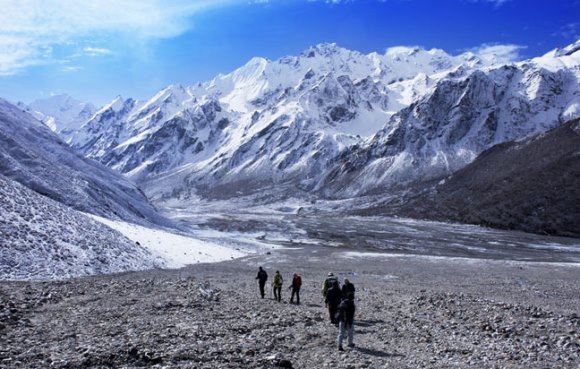
The route climbs from Syabru Besi at 4,593 ft / 1,400 m to Kyangjin Gompa at 12,467 ft / 3,800 m, with the optional hike toward Kyangjin Ri reaching approximately 14,271 ft / 4,350 m.
An additional day at Kyangjin Gompa provides time to acclimatize before any higher exploration.
When to Trek
Conditions in the Langtang Valley vary throughout the year, so timing should be considered alongside weather, visibility, temperature and trail conditions.
Learn more about trekking seasons in Nepal →
Related Treks

Royal Annapurna
A shorter, lower-altitude trek through the foothills and villages north of Pokhara.

Manaslu Circuit
A more remote Himalayan circuit through mountain villages, deep valleys and high-altitude terrain.
Compare All Treks
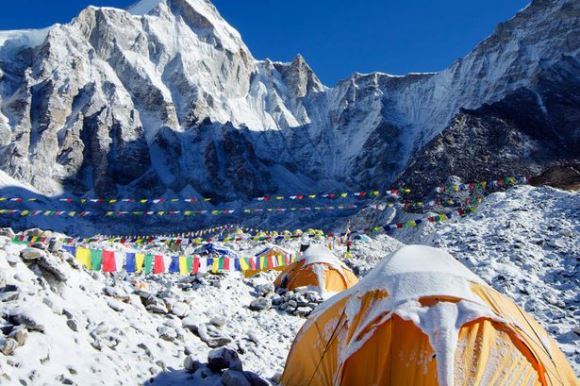
Explore Everest, Annapurna, Langtang and Manaslu trekking routes.